We are at war. Again.
I am old enough to remember the 1970 song “War” and its iconic refrain: “War, huh! What is it good for? Absolutely nothing!” And yet—here we are. Again and again and again.
I have lived through the Vietnam War, the Gulf War, and the post‑9/11 “Forever Wars” in Afghanistan and Iraq, along with numerous interventions in Lebanon, Grenada, Panama, Somalia, Bosnia, and Syria, and now Iran—another moment in a long, familiar pattern.
And those are just the ones involving my lifetime and my country.
This is not a simple or comfortable question—but it’s one we avoid at our peril.
What compels men to violence?
And let’s be real. I am talking primarily about men.
When women are in power, they have, indeed, historically been responsible for wars, but the question is one of “nature vs. nurture.” Were women being expansionist because they had the same human drive for power as men, or were they reacting to a world that would have swallowed them up if they hadn’t shown they were willing to fight?
Women can be violent, but 80–90% of violent crimes worldwide are perpetrated by men.
Why?
This pattern—violence followed by sudden, almost ritualized reconciliation—is ancient.
In Gilgamesh, the oldest written story known, written on clay tablets over 4,000 years old, a king fights a fierce hand‑to‑hand battle with the wild man, Enkidu. When it is finally over, they immediately become beloved and inseparable companions.
I have witnessed this strange phenomenon, and it is almost a dramatic cliché—the two men fight it out until one is the “winner,” or because neither can physically endure more—and settle the conflict.
Is there another way?
Years ago, I traveled to Turkey as a guest (to research my first historical novel, Noah’s Wife, which was set in that ancient time). There was a wonderful tradition of hospitality. Everywhere, a cup of tea was offered.
I recently reunited with a friend from that trip. She reminded me of her favorite moment—walking down a rural street and randomly coming upon a wedding celebration. We were all immediately embraced and welcomed into the festivities—hands reaching out to pull us into the dancing in the street.
It was the best of strangers meeting strangers.
This is also human nature.

No killing of innocents involved. No bombs falling from the sky or taking a hill at the cost of blood. No making of the “other” into a monster, a non‑human that deserves death. No confrontations to determine a winner and loser.
Sometimes, we have no choice but war.
Sometimes the options are loss of freedom or death—our own or that of those we love. But that truth points back to the same relentless pattern. Our failure is not only that we make war, but that we keep returning to it as if it were inevitable.
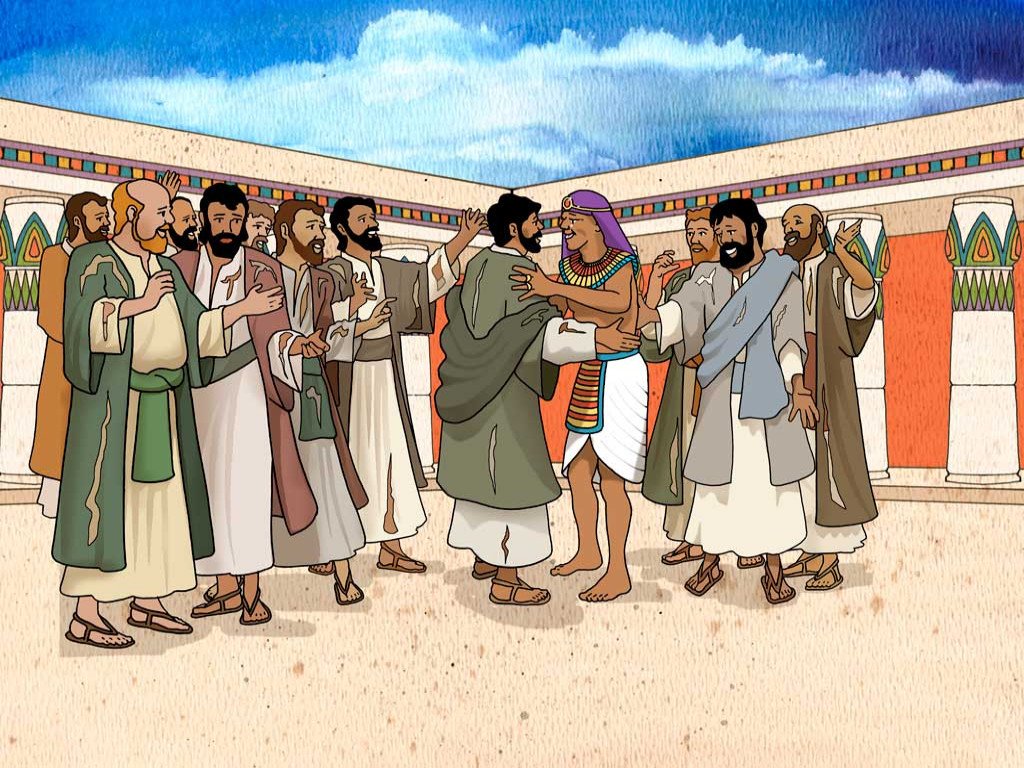
There is a reason the highest calling is Remember, you were a stranger in a strange land. You must love the foreigner, since you yourselves were foreigners in the land of Egypt.
Another song drifts through my mind, asking from the distant future:
“In the year 2525 if man is still alive, if woman can survive—”
And another, older still, echoing across generations, asking the question that never loses its urgency:
When will we ever learn?

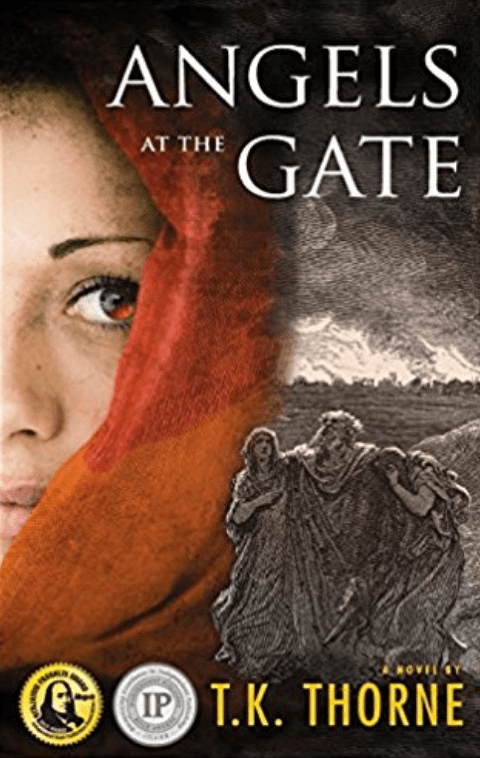
T.K. Thorne is a retired police captain (Birmingham, Alabama), former director of City Action Partnership, and an award-winning author of fiction and non-fiction.
I write about what moves me, following a flight path of curiosity, reflection, and imagination.
Feel free to explore my website and books while you are here, but if you arrived by way of my blog on Substack, here’s the way back.
If you arrived by way of “The Stiletto Gang,” a fun daily blog by mystery authors, here is your ticket to return or explore.